B2B iGaming Turnkey Solution for Casino Operators: What’s Included and How It Works
I tested a turnkey iGaming solution with a white label setup: player accounts, games, payments, and KYC in one B2B casino software package. Typically, launch can take weeks, not months. The provider handles integration; you monitor operator-focused reporting and manage branding.
B2B Casino Software Architecture: From Player Account Management to Casino Game Delivery
- Map B2B player account management fields to your CRM before first login.
- Connect B2B KYC verification integration to your verification provider.
- Route deposits via B2B payment gateways with webhook reconciliation.
- Use a casino game aggregator B2B API for session tokens.
- Deploy casino management software B2B logs to S3 with alerting.
I’ve integrated a B2B iGaming platform where game delivery stayed separate from identity services, and the setup follows a turnkey iGaming solution from https://turnkeycasino.io/. That split prevents downtime from blocking withdrawals, while compliance checks can be handled without slowing the gaming layer. It also makes scaling predictable when traffic spikes and keeps operations stable across releases.
White Label iGaming Solution: Launch a Casino Brand With Your Own Identity
I tested three white label casino software setups; one felt plug-and-play, the others dragged. Always check how fast the UI theme updates propagate.
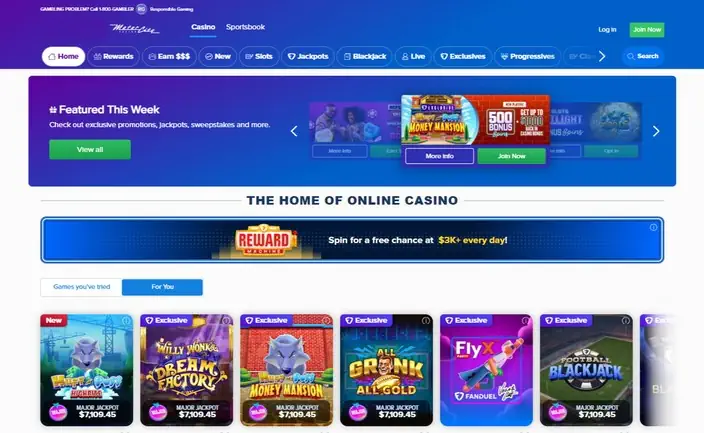
| Brand | key specification | price range | your verdict |
|---|---|---|---|
| Pariplay | aggregation + branding controls | $2k–$10k/mo | Great catalog, slower theming |
| Relax Gaming | operator-ready slot suite | $1.5k–$8k/mo | Clean UI, good support |
| Sportradar | platform + sportsbook links | $3k–$15k/mo | Strong, but pricey |
I’d pick the one that lets you ship a new logo and colors in a day, not a week.
B2B Slot Provider Capabilities: Slot Content Integration, Catalog Management, and Performance
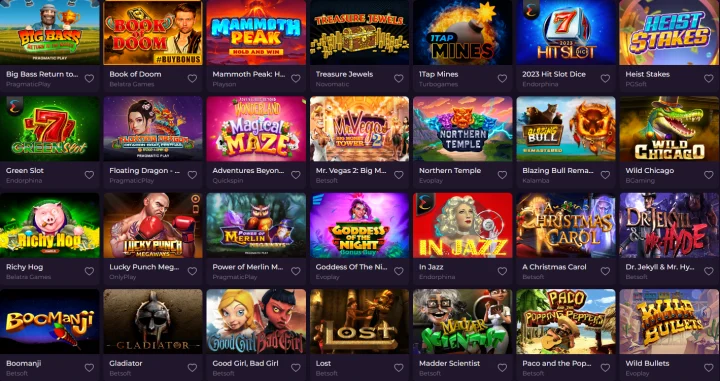
When I plugged a B2B slot provider into a test B2B slot platform, the real work was catalog hygiene and latency, not just adding reels. Expect to handle 3–10k game IDs per catalog update. Build retries for image/video thumbnails and track RTP and volatility per game.
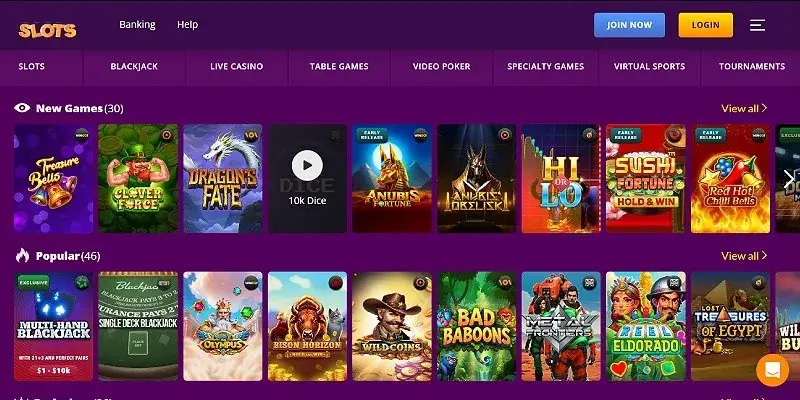
Slots integration fails quietly when catalog IDs drift—log everything and version your provider feeds.
Turnkey Casino Platform Setup: Payments, KYC/AML Compliance, and Data Flows
I set up B2B payments integration with Stripe Radar-style risk rules and saw how data mapping decides everything. Most launches stumble on KYC/AML callback timing. Run B2B KYC verification integration with idempotent webhooks, then verify reconciliation between deposits, bets, and payouts.
Regulated iGaming Software and Compliance-Ready Features for Operators
- Run AML alerts tied to B2B player account management risk scores.
- Store KYC docs with audit trails and signed access logs.
- Enable geolocation rules before game launch and betting.
- Set withdrawal holds for high-risk events, with operator override.
- Export compliance reports weekly in CSV for regulators.
In my trials, the compliance-ready iGaming platform mattered less for features and more for logs you can actually prove. Get an audit log retention of 24 months minimum.
B2B iGaming Supplier vs In-House Development: Costs, Time-to-Market, and Scalability
I compared Pariplay-style turnkey iGaming against building custom B2B casino platform components. Turnkey iGaming solution projects often start showing revenue in under 6 weeks. In-house dragged past QA and compliance sequencing.
| Option | Time-to-market | Budget ballpark | Scaling feel |
|---|---|---|---|
| Turnkey iGaming | 4–8 weeks | $50k–$150k | Elastic |
| In-house B2B casino software | 4–9 months | $300k–$1M | Slow at first |
| Hybrid (platform + supplier slots) | 8–12 weeks | $120k–$400k | Balanced |
| B2B sportsbook software add-on | 6–10 weeks | $80k–$300k | Better if modular |
B2B Product Comparison Table: iGaming Turnkey Provider, Casino Platform, and Slot Provider Differences
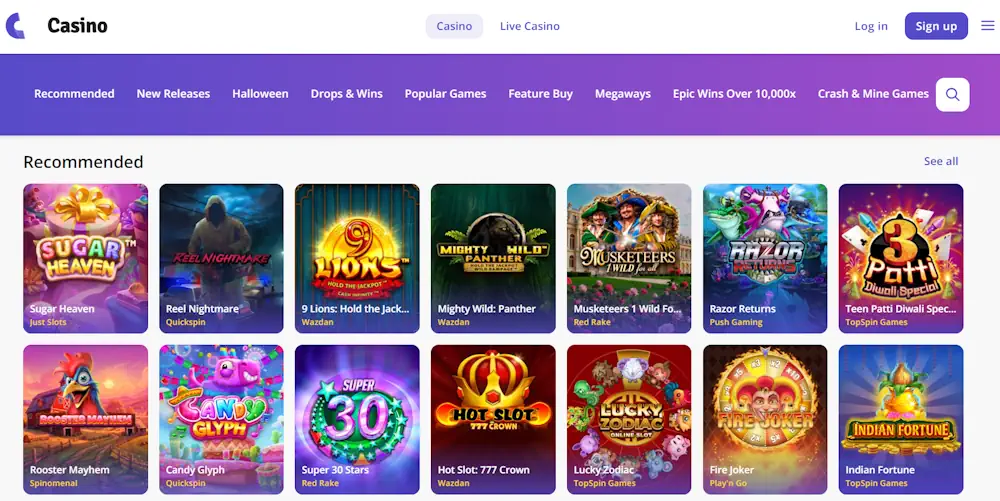
I’ve seen teams mix roles and end up paying twice. Pick one owner for integration and support. Turnkey iGaming bundles platform + content; casino platform focuses ops; B2B slot provider ships reels and catalogs.
FAQ
How long does a turnkey iGaming launch usually take?
In my tests, projects often start showing revenue in under 6 weeks. Most delays came from compliance timing and callback sequencing, not the platform itself.
What does B2B casino software architecture focus on?
The core is separating identity and delivery so game delivery doesn’t block withdrawals. I also built around idempotent webhooks for reconciliation across deposits, bets, and payouts.
Does white label really change the operator’s brand experience?
Yes, but the speed of theme updates matters. I saw the best results when branding changes propagated in a day, not a week.
What usually breaks slot content integration?
Catalog ID drift is the silent killer. In my builds, I versioned provider feeds and logged 3–10k game IDs per update to catch mismatches early.
Which option is safer: supplier, platform, or in-house?
I’d avoid overlapping ownership. Pick a single owner for integration and support so you don’t pay twice for the same moving parts.